Eggleston
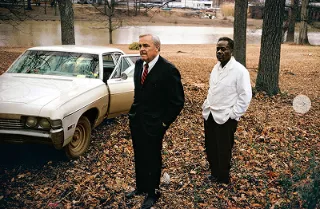

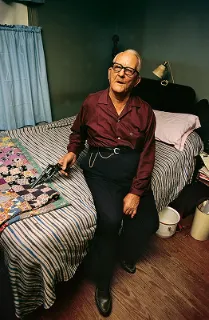
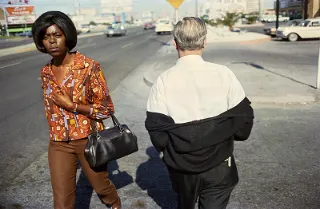
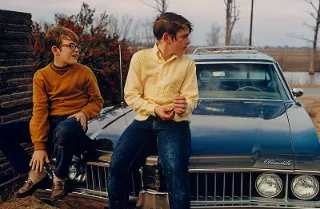
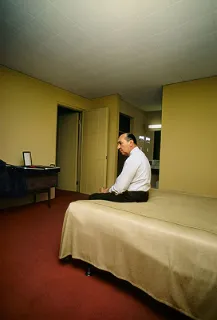
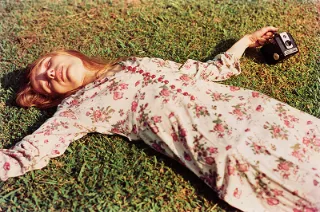
Before William Eggleston, "serious" photography was strictly black and white. Color was considered cheap, commercial, and vulgar. In 1976, he shattered this dogma with a groundbreaking exhibition at MoMA, proving that the vibrant hues of everyday life could hold the same weight as classical art. He didn't just take photos; he changed the rules of the game forever.
Born into the aristocracy of the American South, Eggleston is an enigmatic figure: a dandy with a Leica, a pilot, and a self-taught musician. His personality is as saturated and complex as his prints. He navigates the world with a detached, aristocratic gaze, capturing the quiet tension of a Mississippi afternoon with the precision of a master painter.
Eggleston's signature look is defined by the dye-transfer process, a commercial printing technique he used to achieve hyper-saturated colors. This method allowed him to control every hue, creating the vibrant, deep reds and electric blues that define his 1970s Americana aesthetic. It's a vision where color isn't just a detail, but the subject itself.